
Why Local Expertise Matters
Proximity and Responsiveness in Denver’s Design Market
For interior designers balancing multiple timelines, having a local drapery workroom is more than just a convenience, it's a strategic advantage. Local drapery workrooms in Denver respond quickly, adjust to last-minute changes, and allow in-person visits during fabrication stages. Being nearby also helps reduce delays caused by shipping or long-distance coordination.
Whether it’s clarifying pleat style or confirming fabric orientation, proximity streamlines communication. This reduces errors and ensures the final product matches the design intent. In a fast-moving trade environment, that responsiveness often makes the difference between a project that stays on schedule and one that stalls.
Understanding Regional Design Preferences
There’s also something to be said for cultural and stylistic alignment. Workrooms based in Denver often develop a sharp understanding of what appeals locally from modern mountain aesthetics to the clean lines preferred in new builds across the Front Range. That familiarity helps interpret designer vision into tangible, tailored window treatments that feel right in the space.
The Value of Working with a Professional Workroom
Precision in Fabrication and Installation
Professional drapery workrooms bring a level of detail that’s hard to replicate. Every stitch, seam, and fold is measured against tight tolerances. That level of control comes from years of handling fabric day in, day out with an understanding of how it behaves across different applications.
Accurate measuring, consistent sewing techniques, and thorough quality checks are all built into the process. These aren't luxuries. They're essentials for ensuring that when the install happens, everything lines up exactly as it should.
Partnering with Designers from Concept to Completion
Unlike mass-production operations, a dedicated workroom becomes a partner. Early conversations around fabric, pleat styles, and hardware preferences often shape the success of the end result. Designers benefit from feedback based on fabrication realities, not just theoretical specifications.
This partnership model supports creativity without sacrificing feasibility. It keeps design intent intact while adapting to what’s technically possible, especially when managing large or complex window layouts.
Quality Assurance Through Hands-On Craftsmanship
Automated systems may be fast, but they can’t match the tactile awareness of human hands. In a professional drapery workroom, skilled technicians inspect each component during fabrication. Seams are reinforced, edges aligned, and weights evenly distributed for consistent hang.
More than aesthetics, it’s about longevity. A poorly constructed drape might look fine at install, but begin to sag or fray over time. Precision fabrication avoids that risk, delivering a professional finish that holds up well under daily use.
What Sets Local Drapery Workrooms in Denver Apart
Tailored Solutions for Every Project
Custom workrooms are built for variation. No two projects are the same, and neither are the windows they’re designed for. Local drapery workrooms in Denver adapt to those differences, whether working on historic homes, new developments, or commercial interiors.
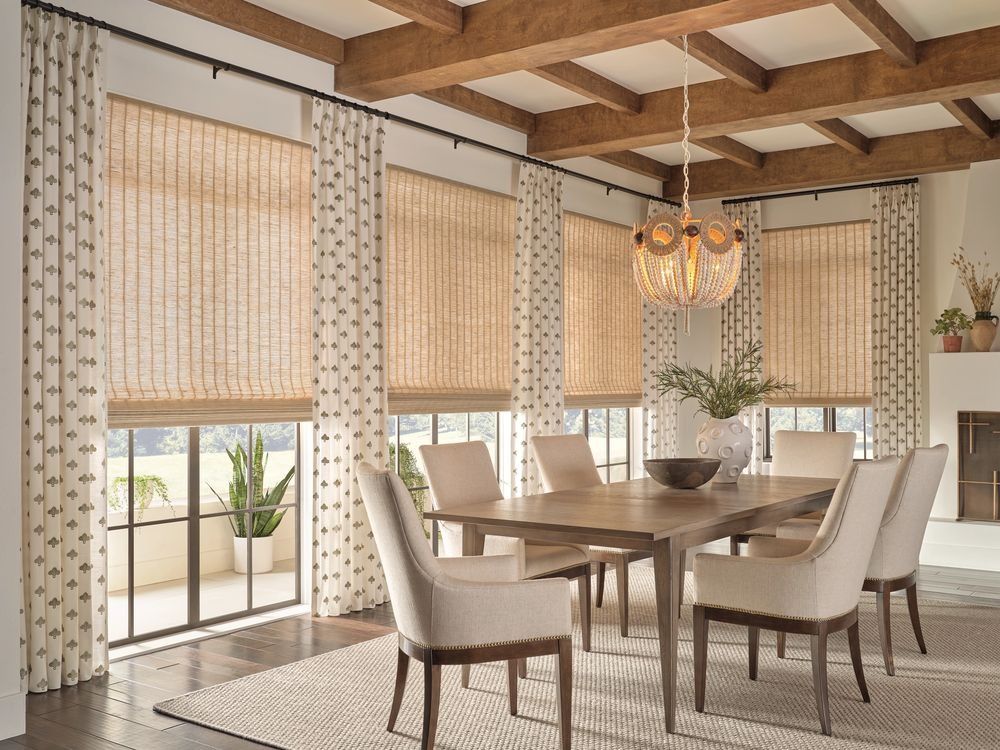
Designers aren’t limited to standard sizes or styles. Whether specifying a goblet pleat for a formal living room or layering sheer roman shades under heavier panels, flexibility is built into the process. That range allows for greater alignment between vision and execution.
Materials Sourcing and Fabric Selection Support
Selecting the right fabric is often where a design begins but it’s also where many challenges emerge. Will the material drape properly? Does it wrinkle too easily? Will it allow the correct level of light filtration? A skilled workroom provides answers, not just questions.
They also assist with fabric sourcing, ensuring availability, suitability, and compatibility with the design goal. This step supports both creativity and practicality, guiding designers toward selections that look right and behave well.
Custom Hardware and Finishing Details
The finer points matter. Finials, brackets, and rods aren’t just accessories, they're structural elements that influence the overall look. A custom fabricated workroom in Denver often works closely with hardware suppliers to match finishes, scale, and functionality.
This level of integration allows designers to specify not just fabric treatments but also how they’re mounted and styled. It ensures visual consistency and technical stability, especially important in larger installations or layered window dressing setups.
From Quote to Installation: The Workroom Process
Transparent Quoting and Timelines
Trade professionals rely on accurate quotes to keep their projects moving. A reliable workroom provides those quotes clearly, with detail around costs, lead times, and options. There’s no vague language or shifting terms halfway through the job.
This approach allows designers and builders to plan with confidence. If adjustments are needed, they’re discussed early, not during fabrication or installation. That clarity builds trust and prevents surprises.
Coordinated Scheduling with Designers and Builders
Workroom timelines don’t exist in isolation; they're tied to wider project schedules. A local workroom coordinates closely with design teams and site managers to align fabrication, delivery, and installation windows.
This coordination is vital when working on multi-room projects or homes undergoing broader renovations. A missed window can delay final walkthroughs, so flexibility and prompt communication are essential qualities of a dependable partner.
Realistic Lead Times and Clear Communication
Projects run smoother when everyone knows what to expect. Local drapery workrooms in Denver typically offer 4 to 6+ week lead times for drapery, depending on scope and complexity. They communicate changes quickly, helping the rest of the project team adjust as needed.
It’s not just about speed, it's about predictability. Knowing when fabrication starts, when updates are due, and when installation is scheduled helps designers stay focused on the bigger picture without constantly chasing down status updates.
How Custom Fabricated Workrooms in Denver Support the Trade
Meeting the Needs of Builders and Interior Designers
Trade professionals have specific requirements. Builders focus on efficiency and coordination, while interior designers need creative flexibility and precision. A custom fabricated workroom in Denver understands how to support both.
From standardised quoting templates for contractors to flexible sampling processes for design firms, the services offered are tailored to the demands of trade clients. Workrooms that specialise in this space understand how to collaborate without friction.
Flexibility for Bespoke Projects
Not all window treatments follow traditional templates. Designers often push boundaries with unusual shapes, oversized spans, or multi-layered combinations. These situations require adaptability not resistance.
Skilled workrooms offer creative problem-solving when templates fall short. Whether it's modifying roman shade construction for large bay windows or managing fabric joins in wide-width drapery, the ability to adapt is built into their day-to-day workflow.
Delivering Consistency Across Large-Scale Installs
Residential builds and renovations aren’t always small-scale. In larger homes or multifamily projects, consistency becomes critical. Each window treatment needs to match its neighbour, even across different rooms, light conditions, or fabric batches.
Professional workrooms manage this by standardising fabrication methods, documenting finish details, and tracking fabric lots to ensure consistency. This discipline ensures that every panel, valance, or cornice works as part of a cohesive whole not a disconnected mix.
Final Thoughts on Choosing the Right Drapery Workroom
Questions to Ask Before Committing
Choosing a workroom is more than selecting a vendor. It's a partnership. Before committing, trade professionals should ask how communication is handled, what the quoting process includes, and whether site visits or installation support are available.
It’s also worth checking previous work especially on complex treatments. Consistency, alignment, and clean stitching are all signs of a well-run shop.
Balancing Aesthetic Goals with Technical Expertise
Design intent is one part of the process. Execution is another. The most successful workrooms balance both. They understand how to make a pleat style match the fabric’s weight or how to correct drop lengths for uneven flooring without compromising the look.
This balance ensures the final result does more than look good in photos; it performs in real rooms, under real conditions, for clients who expect durability as well as beauty.
Ensuring Long-Term Satisfaction for Clients
Window treatments often go unnoticed until they fail. Poor tracking, loose hems, or misaligned patterns can turn into call-backs or client frustration. Working with an experienced workroom prevents that. It’s not just about delivery day, but how the product looks and functions a year later.
When done right, custom drapery enhances a space, reflects the designer’s vision, and adds value long after the rest of the build is complete. That’s the role of a truly professional workroom.